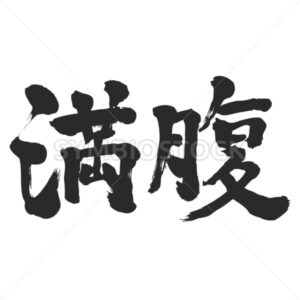
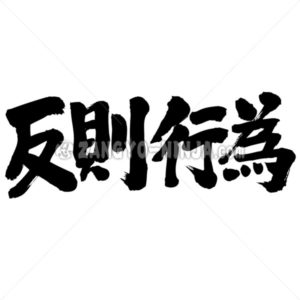
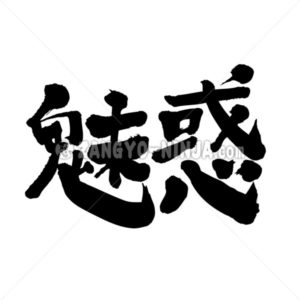
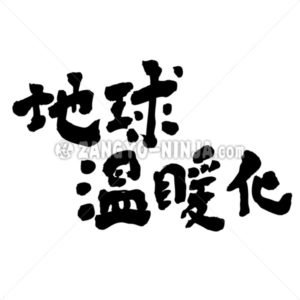
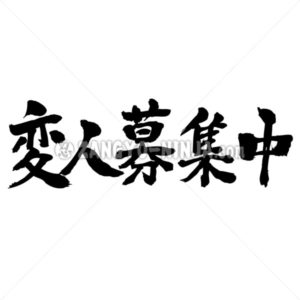
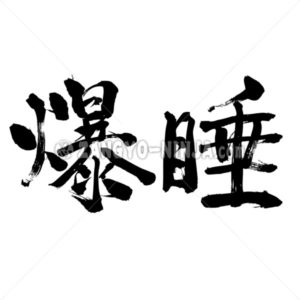
1. A state in which the appetite and thirst are satisfied. My stomach is full enough to eat no more. 2. It is used in the meaning of many, whole, hearty, etc. The whole body. Japanese says “Man puku”
1. a reflex response to the passage of electric current through the body. 2. the use of electricity to administer punishment or torture. 3. trauma caused by the passage of electric current through the body. Japanese says Den-geki.
reformist, reform-minded, progressive, progressive, progressive, forward-looking, modern, innovative. favoring or promoting reform. favoring or promoting progress. ahead of the times. Japanese says Shin-po-teki.
an acknowledgment of appreciation. a favorable judgment. an expression of gratitude. a feeling of thankfulness and appreciation. Japanese says Kan-sha.
enthusiasm, zeal, the trait of being intensely emotional. overflowing with eager enjoyment or approval. a strong feeling or emotion. a feeling of excitement. Japanese says Jo-netsu.
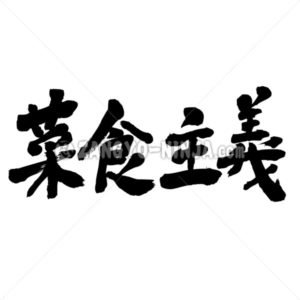
a diet excluding all meat and fish. Vegetarianism encompasses the practice of following plant-based diets (fruits, vegetables, etc.), with or without the inclusion of dairy products or eggs, and with the exclusion of meat (red meat, poultry, and seafood). Abstention from by-products of animal slaughter, such as animal-derived rennet and gelatin, may also be … Read More
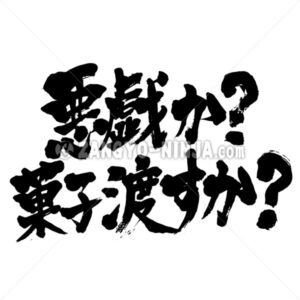
There is no exact letters in Japanese. Japanese kid says “Ita-Zura-Ka Ka-Shi-Wata-Su-Ka” when says Halloween, for example. This is Kanji and Hiragana letters.
The exact meaning is “a state of emergency”. Usually, the first two letters are clamant, crying, exigent, instant, insistent, urgent, pressing, emergent, pinch, exigency, emergency. Japanese says Kin-kyu-ji-tai.
1. lovable especially in a childlike or naive way. 2. pleasing by delicacy or grace. 3. appealing to the emotions as well as the eye. Japanese says Kwaii
sticking at living in and defending one place. very hard, with utmost effort, with all one’s might, desperately, frantically, for dear life, all-out effort. Japanese says I-sho-ken-mei.
Christmas Eve is December 24. the day before Christmas. Christmas Eve is the day that, according to modern calendars, contains the evening, or first evening, of Christmas, a widely celebrated festival commemorating the birth of Jesus of Nazareth. It is a culturally significant celebration for most of the Western world and is widely observed … Read More
This is two means and to read. 1. Hage >> A bald spot, a bald head. 2. Kamuro >> Bobbed hair. It is a reading which Japanese people do not know very much.
1. surpassing what is common or usual or expected. 2. being definitely out of the ordinary and unexpected. 3. having a specific function or scope. 4. unique or specific to a person or thing or category. 5. deviating widely from a norm of physical or mental ability. 6. beyond what is ordinary or usual. … Read More
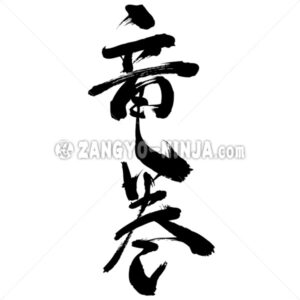
a localized and violently destructive windstorm occurring over land characterized by a funnel-shaped cloud extending toward the ground. Japanese says Tatsu-maki.